I recently read an article by Jen Murphy in Outside Magazine titled “The Surprising Cause of Hawaii’s Snorkeling Deaths” (April 2025), and I must admit that it piqued my curiosity.
I had heard about it some time ago, particularly during Dr. Pollock's presentation at the CAWM 2025 conference, but I had underestimated how common and potentially fatal this phenomenon was.
As a clinician and instructor, I am familiar with SIPE—Swimming-Induced Pulmonary Edema—often seen in open water swimmers and triathletes.
But ROPE (Rapid Onset Pulmonary Edema), its equivalent among snorkelers, was much less familiar to me. Yet the underlying mechanisms are remarkably similar... and just as dangerous.
🫁 ROPE: another form of exertional pulmonary edema
The Outside article reports several deaths in Hawaii during snorkeling activities in calm conditions, often with no signs of distress. These cases, initially classified as accidental drownings, appear to have been caused by non-cardiogenic pulmonary edema (not caused by heart failure).
When breathing through a snorkel or full-face mask, inspiratory resistance increases. This resistance creates negative intrathoracic pressure, promoting the passage of fluid through the alveolar-capillary membrane.
The result: rapid pulmonary flooding, decreased oxygenation, and, within seconds, loss of consciousness.
According to a study conducted by the Hawaii Department of Health, ROPE could be as common as, or even more common than, drowning caused by water aspiration.
ROPE and SIPE: two sides of the same coin
ROPE and SIPE share a common mechanism:
a combination of hydrostatic pressure, respiratory effort, and transient cardiac overload that causes plasma to pass into the alveoli.
| Common factor | Physiological effect |
|---|---|
| Immersion | Redistributes blood volume to the thorax, increasing pulmonary capillary pressure. |
| Ventilatory effort or resistance | Creates negative pressure, promoting liquid leakage. |
| Cold water | Causes systemic vasoconstriction and an increase in afterload. |
| Predispositions | High blood pressure, heart disease, age, lack of acclimatization. |
In triathletes or open water swimmers, SIPE often occurs at the start of a race, in cold water, under intense stress. The clinical course of SIPE is generally favorable once the athlete is removed from the water and the wetsuit is removed, but some experts believe that SIPE may be related to the rare deaths that occur during the swimming portion of triathlons.
Among snorkelers, ROPE can strike without apparent effort, sometimes after a long-haul flight or prolonged immersion in warm, calm waters.
⚠️ Recognizing the early signs
Symptoms may go unnoticed until loss of consciousness occurs:
- Sudden difficulty breathing despite calm water;
- Wet or frothy cough;
- Oppression thoracique ;
- Feeling of suffocation without water aspiration;
- Disorientation or fainting.
This silent profile explains why so many cases are mistaken for conventional drownings.
Preventing ROPE: practical advice and lessons for instructors
For responders in remote areas or aquatic trainers, these items are essential:
1. Raise awareness among participants
Explain that snorkeling is not a passive activity: it requires good physical condition and learning how to breathe properly.
2. Avoid snorkeling after a long flight
Wait 24 to 48 hours after a long-haul flight to allow your body to rebalance itself.
3. Choose low-resistance equipment
Prefer simple snorkels; full-face masks, although comfortable, increase resistance and complicate emergency removal.
4. Prevent dehydration and overexertion
Adequate hydration and slow breathing reduce cardiorespiratory load.
5. React quickly if symptoms appear
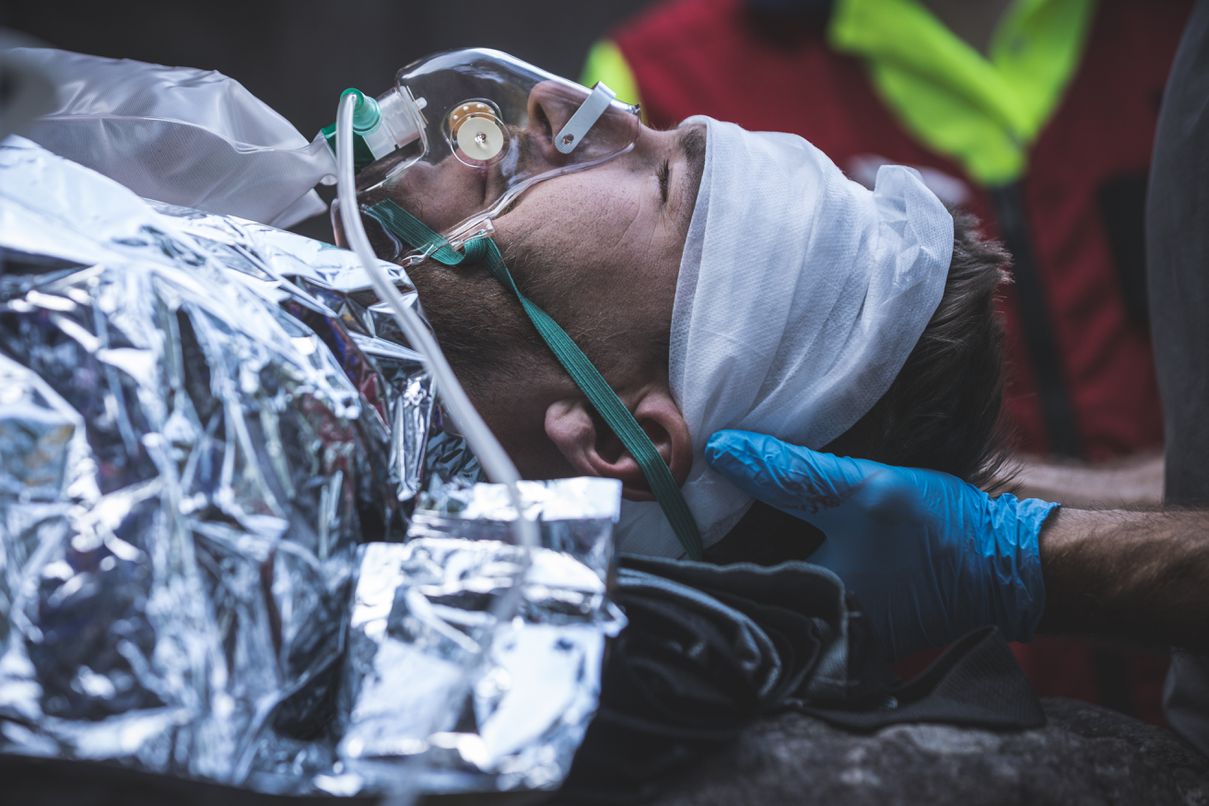
Immediately remove the victim from the water, sit them down, administer oxygen if possible, monitor oxygen saturation, and consider rapid medical evacuation.
In conclusion
The snorkeler's ROPE and the swimmer's SIPE remind us how much immersion alters human physiology.
These syndromes, which are still underestimated, demonstrate that calm water is never synonymous with absolute safety.
For SIRIUSMEDx instructors, this is an opportunity to incorporate these concepts into training courses on aquatic and respiratory emergencies. Understanding these mechanisms means better protection for divers, swimmers, and anyone who simply wants to go "fish watching."